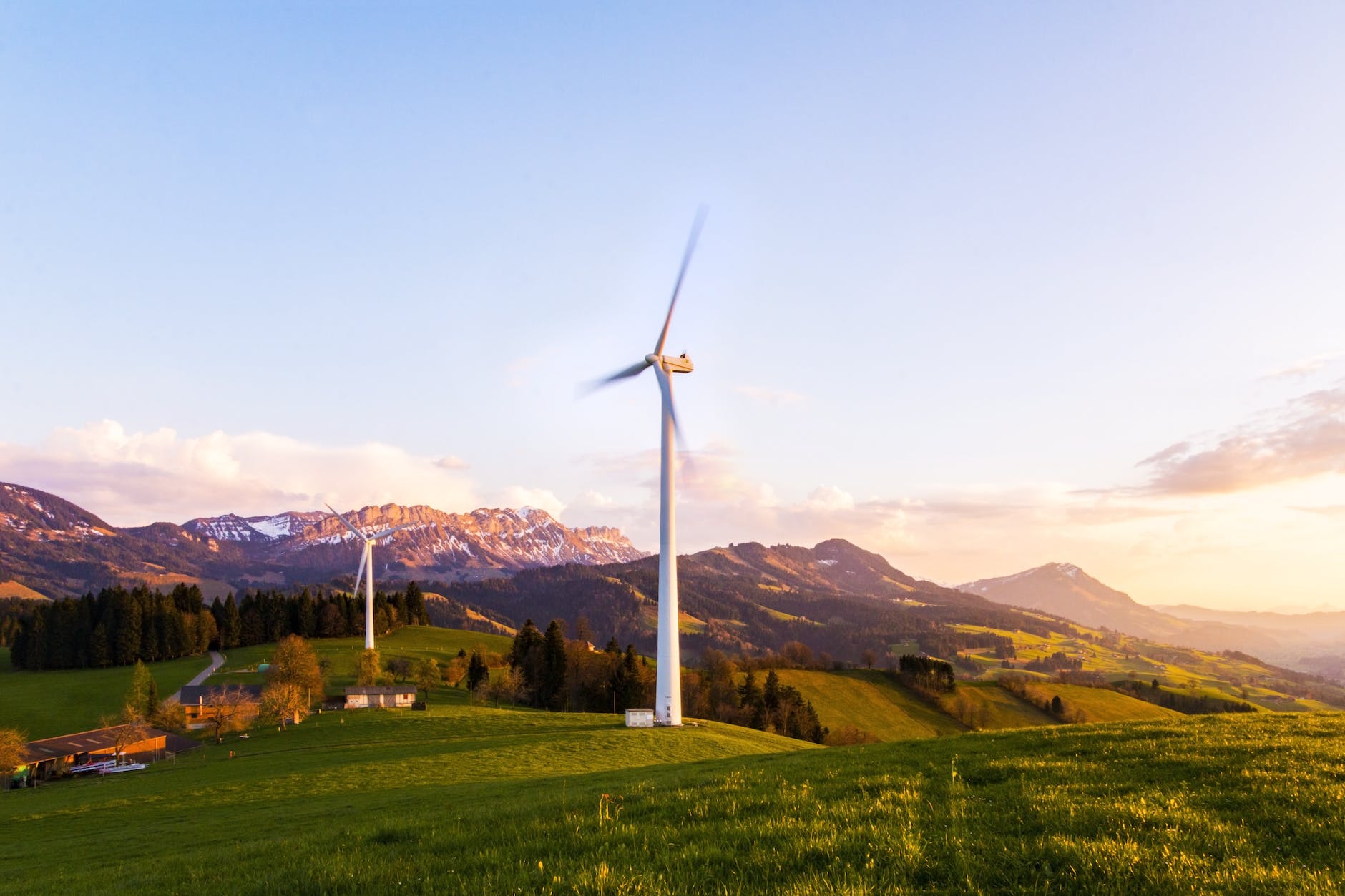
In this issue, we will introduce current environmental issues and our efforts to address them.
Since there are many environmental issues, we will pick up several important ones and explain them in an easy-to-understand manner.
Please use it as a reference for your classes and companies.
Environmental Problem
First of all, an environmental problem is a problem caused by humans to organisms, nature, society, etc. There is no definition of an environmental problem. Although there is no single definition of an environmental problem, it is generally defined as “the external world as it surrounds and interacts with humans and other living things”.
Global Warming
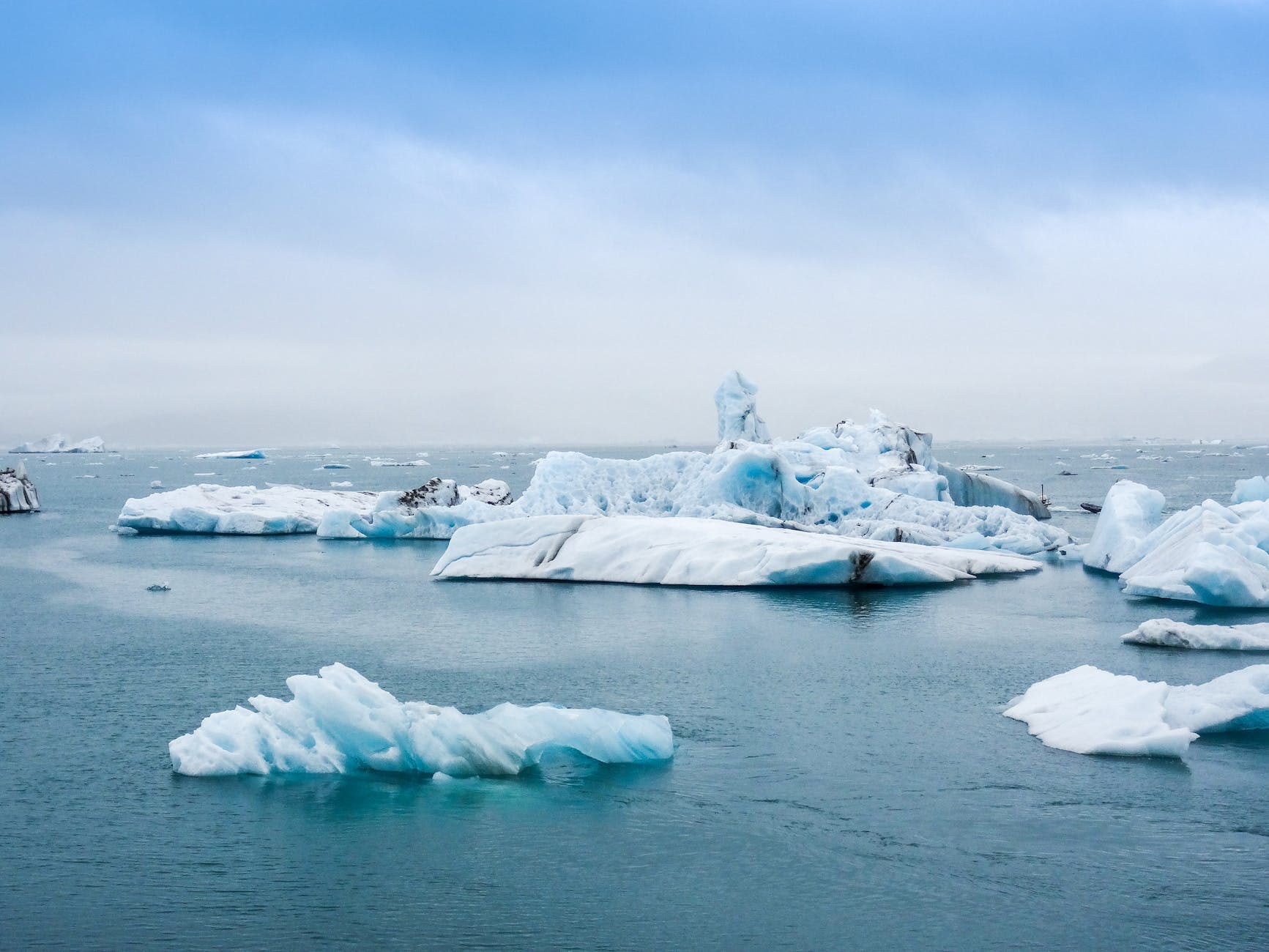
Global warming refers to a phenomenon in which the temperature of the entire planet rises due to the effects of greenhouse gases that have increased too much during human activities. Currently, the average global temperature continues to rise, resulting in more extreme weather events, droughts, melting of ice and snow in the Arctic and Antarctic, and other problems. If these conditions continue, the melting of ice and snow will cause the melted water to flow into the oceans, raising the sea level and possibly causing land at lower elevations to sink.
Greenhouse Gas
Since the industrial revolution of the 20th century, greenhouse gas emissions from cars and factories have increased, resulting in global warming.
Carbon dioxide (CO2) is the main contributor to greenhouse gases. Carbon dioxide emissions are becoming more influential due to the decrease in plant life. The decrease in plant life reduces the amount of carbon dioxide absorbed. In addition, carbon dioxide emissions are considerably higher due to automobiles, and efforts are underway to change to electric vehicles.
Measures and Initiatives
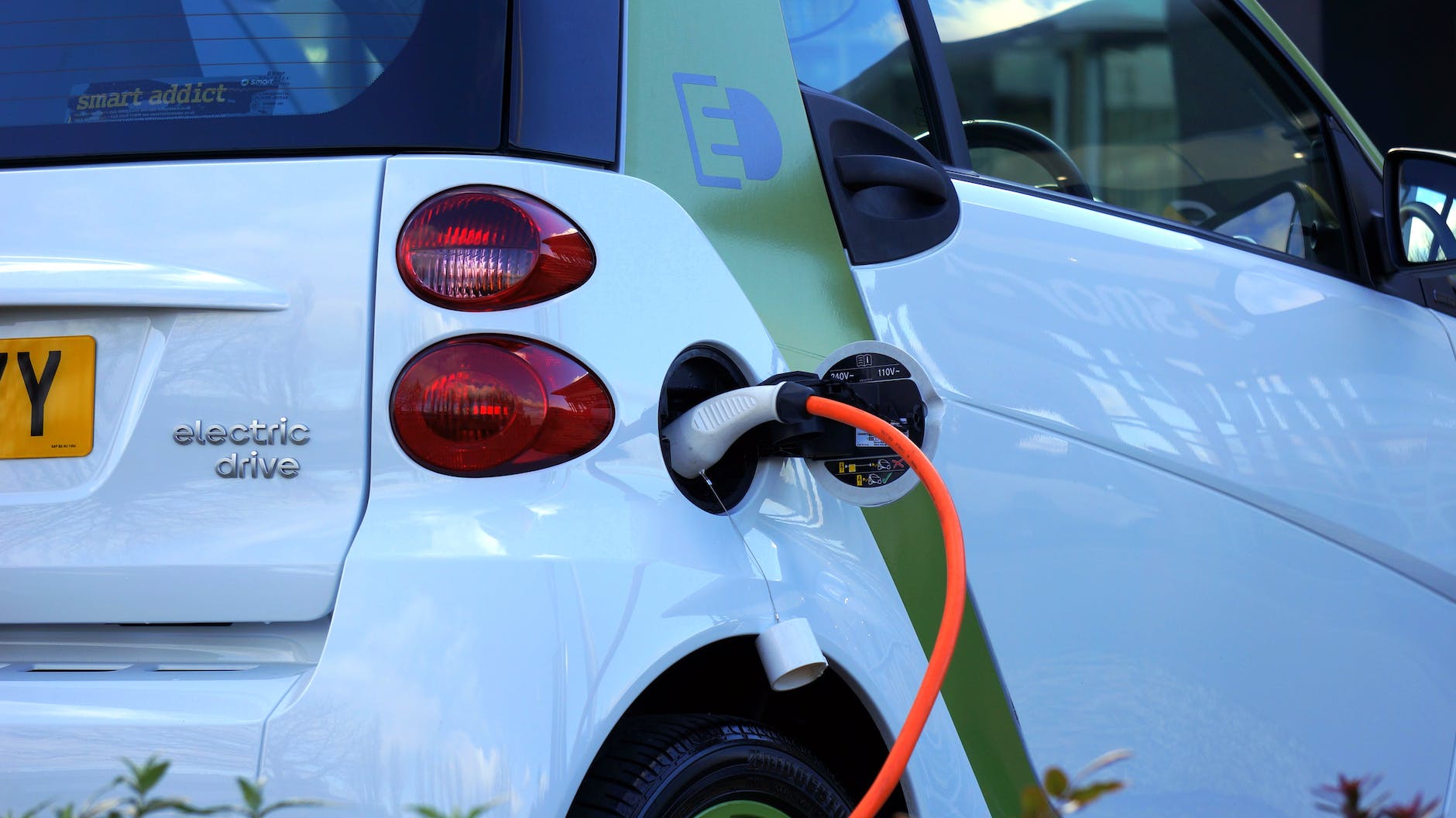
One way to address this issue is to promote electric vehicles. General Motors (GM) has said that it will stop selling new gasoline cars and light trucks by 2035 and aims to shift to battery-powered vehicles, and Volpo recently announced its intention to electrify its entire fleet by 2030 in an effort to make even faster progress. The widespread use of electric vehicles will lead to a reduction in CO2 emissions from automobiles, which will directly contribute to the prevention of global warming.
Ocean Pollution
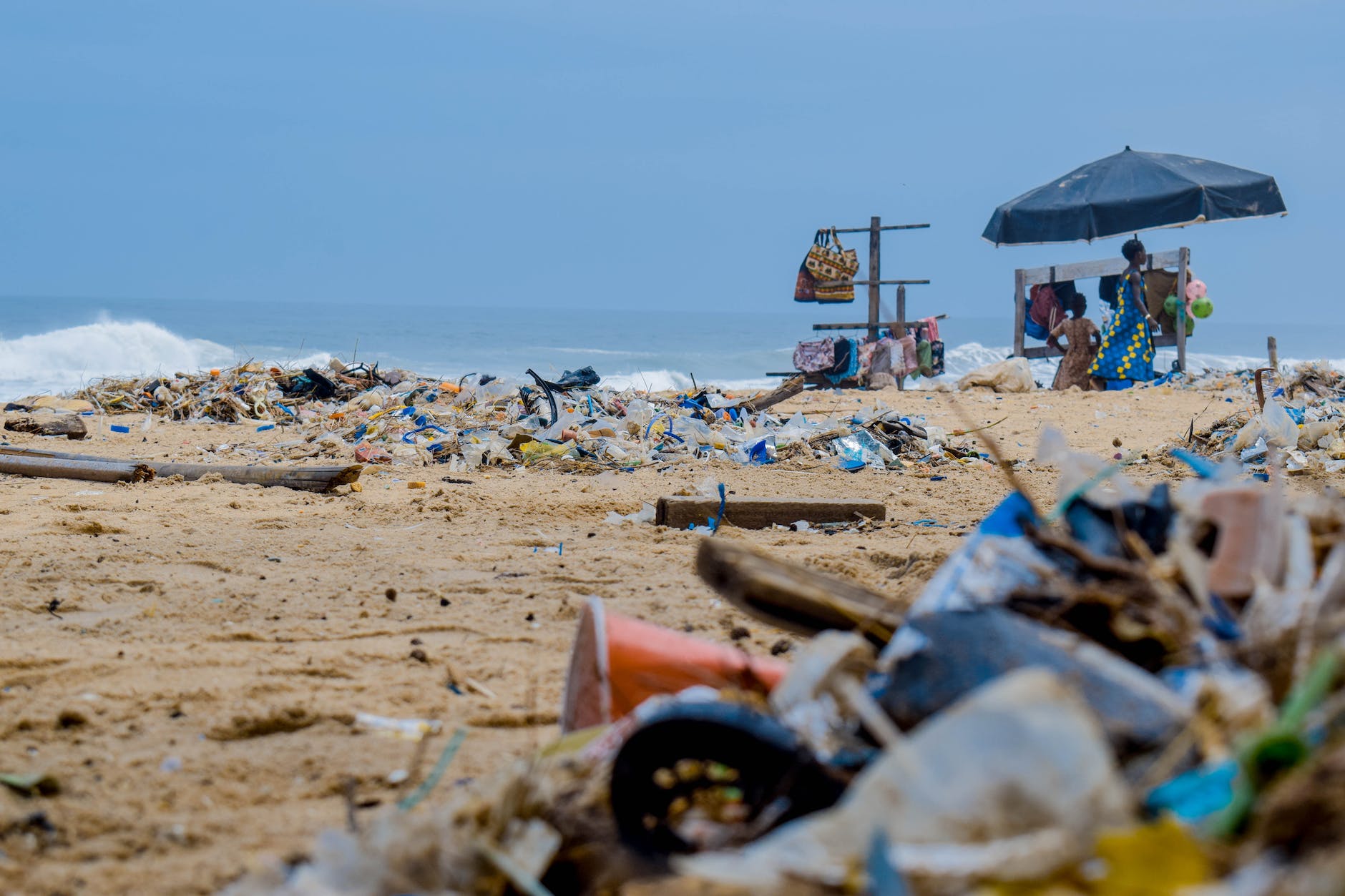
Microplastics, littering, and other factors are causing the above-mentioned trash to drift and pollute the oceans. In addition, substances such as petroleum and domestic wastewater discharged from factories and other sources flow into the ocean, polluting the waters and disrupting the ecosystems of marine organisms. The main causes of ocean pollution are “marine debris” and “water pollution.
Marine Debris
Microplastics are the most problematic type of marine debris. Regular plastic trash is relatively easy to collect. Microplastics, however, are a different story. Microplastics are plastic debris smaller than 5 millimeters. In other words, when the trash is this small, the difficulty of collecting it increases, and it becomes more difficult to improve water quality.
Another problem arises when marine organisms ingest this microplastic. When marine organisms ingest microplastics and humans eat the marine organisms, the microplastics enter our bodies. This causes health hazards and problems to humans.
Measures and Initiatives
SEABIN was recently developed in Australia to address this problem. SEABIN is a trash bin developed in Australia, and when placed in the ocean, it does not suck in fish, but only trash. One SEABIN can take about 20 kg of trash. Installation takes about 30 minutes.
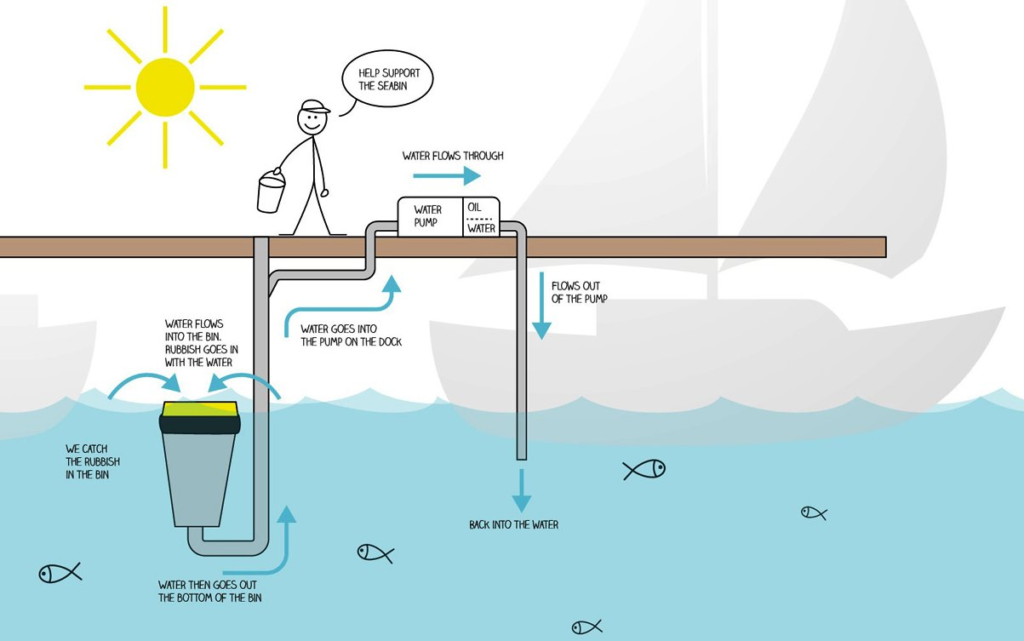
Video↓
Water Pollution
One water quality problem is the discharge of poorly treated factory and domestic wastewater into the ocean. This causes the ecosystem of the sea to collapse and also causes pollution.
Measures and Initiatives
Improvement of water quality through sewerage improvement will lead to improvement of water quality problems.
In areas where sewers are widespread, water reclamation centers have also been established to clean wastewater from sewage pipes before discharging it into rivers and the sea. It is imperative to push up the penetration rate of these well-developed sewage systems by even 1%.
Air Pollution
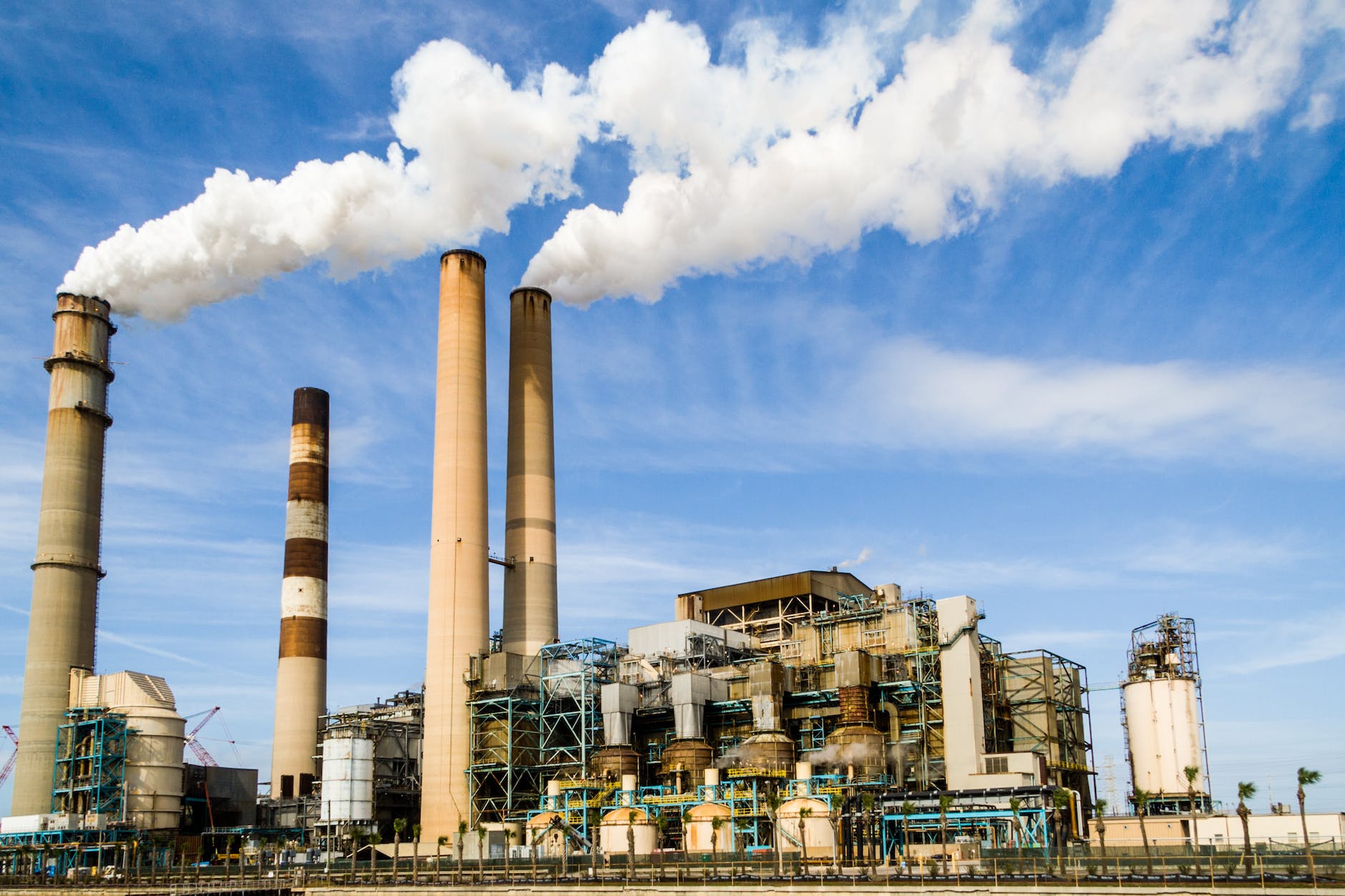
Modern economic activities release a variety of gases into the atmosphere. This causes atmospheric conditions to become unstable, which can be harmful to living organisms and adversely affect ecosystems and the environment. In rare cases, natural phenomena can cause the generation of toxic substances in the atmosphere, but the majority of cases are caused by anthropogenic activities. In recent years, photochemical smog rarely occurs anymore, but “PM2.5” has become a frequent problem instead.
Exhaust Gas from Factories and Automobiles
Sulfur oxides (SOx), which are produced when fuels such as oil burn, and nitrogen oxides (NOx), which are produced when objects burn at high temperatures, cause acid rain. When acid rain falls on trees, it causes discoloration of the leaves, and when acid rain falls on the ground and accumulates, it changes the composition of the soil. When acid rain hits concrete, it dissolves the concrete and kills organisms, hair that is exposed to acid rain turns green, and eyes that are exposed to acid rain blotches.
In addition, automobile exhaust emissions, for example, lead to global warming, which has many disadvantages.
Freon Gas Emissions
Many of the equipment used in the past emitted CFC gas. These chlorofluorocarbons decompose ozone in the air. This ozone is known as the ozone layer, and it is known to considerably reduce ultraviolet radiation on the ground. In other words, if the ozone layer is decomposed, the amount of ultraviolet rays on the ground will increase, causing skin cancer and other problems.
Measures and Initiatives
As a result, the ozone layer is now gradually recovering, partly because emissions of CFC gases have been regulated to protect and restore the ozone layer.
Soil Pollution
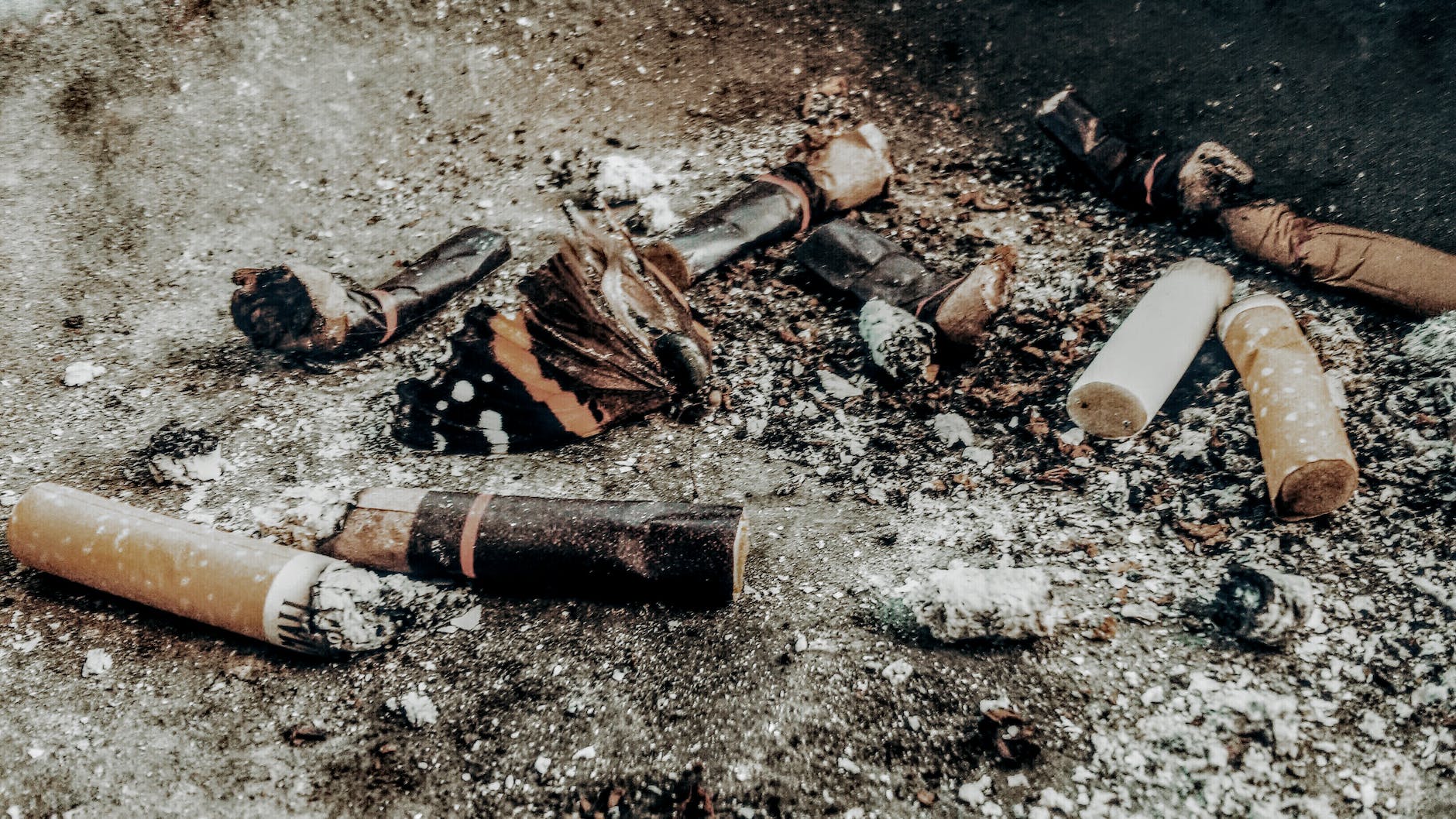
Soil PollutionSoil pollution is the natural release and accumulation of toxic substances produced by humans in the soil. Soil pollution has a significant impact on natural animal and plant life as well as on humans. Unlike air pollution, toxic substances in the soil tend to accumulate over a long period of time, and it takes a long time to solve the problem. Even if the toxic substances are removed, the problem persists for a long time afterwards. Soil contamination is dangerous because it is difficult to notice visually. Toxic substances emitted from factories and other sources are the main cause.

コメント